The fashion calendar and the retail floor have always talked to each other, but the Spring 2027 season is making that conversation unusually loud - and unusually expensive.
McQueen Comes Back to London
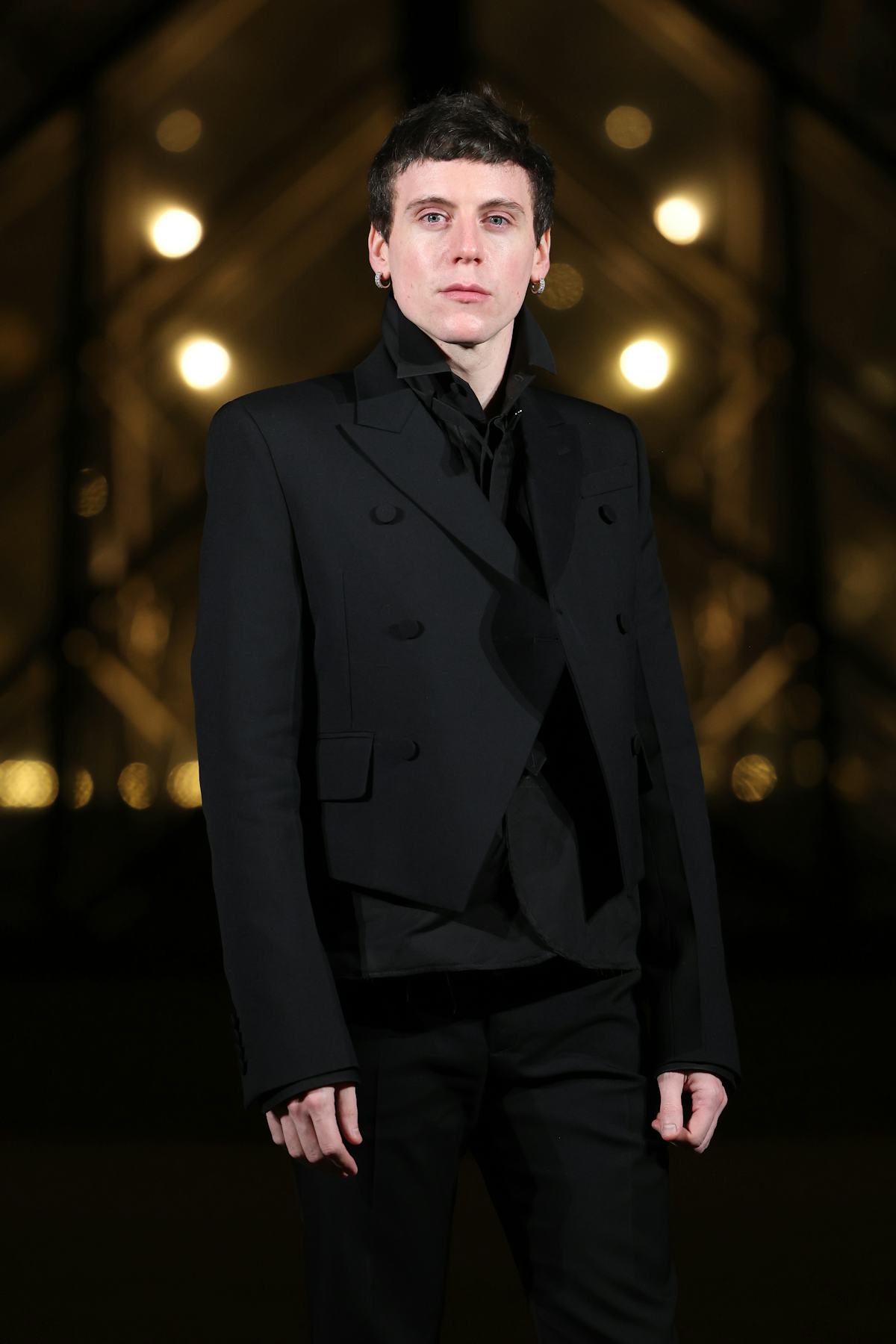
London Fashion Week has been, for a stretch, a calendar that McQueen watched from a distance. The house last showed there for Spring 2023, then stepped away. For Spring 2027, McQueen is returning - and the timing carries weight because it will mark creative director Seán McGirr’s debut show in London. McGirr has been steering the brand since Lee Alexander McQueen’s longer legacy was handed to him, and a London show is a different kind of test than Paris: more personal, more freighted with the house’s original identity, more watched by a crowd that takes the city’s ownership of the brand seriously.
For shoppers who track the house closely, a London return typically signals something beyond scheduling. It tends to precede a shift in how product is presented at retail level - what gets foregrounded in stores, what the windows say, which pieces move from runway to buying orders fastest. McGirr’s London debut will land in a city that still treats the brand as native, where the flagship on Old Bond Street carries a different atmosphere than its European counterparts. Whether the collection leans back into the dark tailoring codes that made the house’s London shows so defining in the early 2000s, or pushes further into the direction McGirr has been building, will shape what buyers and stockists prioritize heading into the new year.
What’s worth watching from a shopping perspective is how the return recalibrates stockist attention in London specifically. Retailers in the city tend to respond to Fashion Week proximity with sharper buying decisions - when a house shows locally, the conversation between brand and buyer gets more granular, and that often shows up in the range of pieces that reach shop floors versus what stays exclusive to the house’s own doors.
The Spring 2027 show hasn’t happened yet, but its existence on the London calendar is already a retail signal.
The $2,195 Pair of Glasses Nobody Needs Yet
Smart glasses are being sold as luxury goods now, and the price point makes that framing impossible to ignore. Specs glasses are currently priced at $2,195 a pair - a number that sits comfortably alongside entry-level fine jewelry or a serious leather bag, not alongside consumer electronics. That positioning is deliberate. Brands in the AI glasses category are pushing the product as a technological necessity comparable to a smartphone or laptop, arguing that the device belongs in the same spending bracket as those items.
The problem is that consumers aren’t there yet. AI glasses sales are increasing year on year, but the category hasn’t crossed into the kind of automatic, reflexive purchasing that defines mainstream adoption. Charles DuManoir, founder of London-based investment and consultancy firm Desygn Capital, framed the gap clearly when speaking to Vogue Business: “For smart glasses to cross into the mainstream, there needs to be an inflection point where wearing them stops reading as ‘tech enthusiast’ and starts reading as ‘modern, culturally aware person.’”
That sentence matters for anyone thinking about where smart glasses actually live in a shopping context right now. At $2,195, they’re not an impulse buy. They’re not yet a social default the way AirPods became. They exist in a strange middle space - priced for luxury shoppers, marketed to tech adopters, and not yet fully claimed by either group.
For shoppers in cities with strong luxury retail concentrations - London, New York, Tokyo - smart glasses are starting to appear in environments that signal aspiration rather than utility. That placement is doing real work. An item shelved next to sunglasses by Cartier or Oliver Peoples reads differently than the same item shelved in a tech store, and brands know it. The retail context is part of the argument being made to the buyer.
Whether $2,195 is the right price to manufacture that crossover moment is genuinely unclear. It’s high enough to exclude casual curiosity, but not high enough to feel like an investment piece in the way a mechanical watch or a heritage bag does. The category is still negotiating its own identity, and the price tag reflects that uncertainty as much as it reflects any production cost.
Frame’s $300 Million Recovery, and What It Says About Brand Loyalty
Frame, the clothing label, is projected to reach $300 million in sales this year. That figure lands differently when you know the brand spent a significant portion of the recent past managing a public scandal involving co-founder Erik Torstensson, who has since been removed from his chief creative officer role.
Co-founder Jens Grede has attributed the brand’s stability to a structural decision made early: the founders were never positioned as the public face of Frame. The product was. Because the brand’s identity wasn’t built around either founder’s personality, Torstensson’s departure and the surrounding scandal didn’t pull the label’s retail performance down with it. Newly appointed CEO Silvia Merati has taken over with a stated plan to keep Frame’s identity centered on its product offerings rather than any individual behind them.
For shoppers, the Frame story is a useful lens on how brand loyalty actually works at the $300 million scale. Customers who buy Frame consistently - its denim, its tailored pieces, its elevated basics - were largely buying the clothes, not a founder’s narrative. That’s a more durable loyalty, and it shows in the numbers.
Two More Things Reshaping What You’ll Find in Stores
Target and Hollister are partnering on a multi-season collaboration to sell home and décor goods, available starting June 28. This is Hollister’s first entry into the home category, and it sits within Abercrombie & Fitch Co.’s broader strategy to grow its wholesale and licensing partnerships. Hollister has historically been an apparel brand aimed at a younger demographic, so the move into home goods through Target’s distribution network is a genuine category expansion - not just a licensing deal, but a signal about where the Abercrombie & Fitch portfolio sees room to grow.
Separately, hair-care brand Rōz by Mara Roszak has closed a funding round backed by private equity firm L Catterton, with existing investors Silas Capital and G9 Ventures also participating. The new capital is directed toward retail distribution, team expansion, and product development. L Catterton has a long track record of backing beauty and personal care brands through their retail scaling phase - its involvement typically precedes a push into broader stockist networks and brick-and-mortar presence. For shoppers who already know Rōz, the backing suggests the brand will become considerably easier to find in physical retail over the next 12 to 24 months.